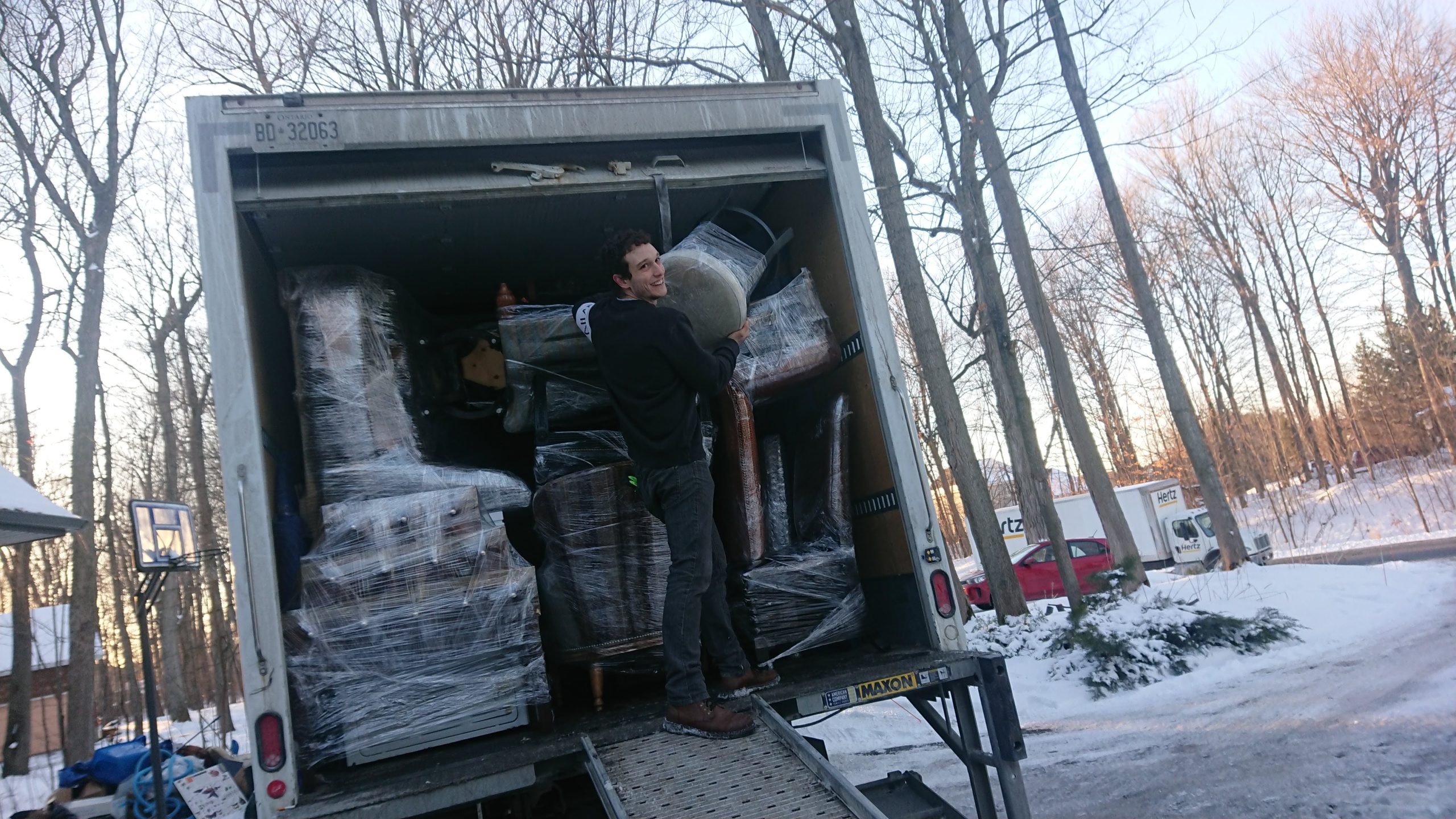


Sustainability matters more today than ever, and many people across Ottawa — whether in Kanata, Barrhaven, Orleans, Nepean, Downtown, or the rural outskirts — are looking for ways to make their move as environmentally friendly as possible. Over the years, I’ve helped countless families, students, seniors, and businesses move with less waste, fewer emissions, and a more responsible approach to packing and transporting belongings.
The truth is, moving doesn’t have to mean piles of cardboard, wasted plastic, excess fuel, and overflowing garbage bags. With thoughtful planning and the right practices, your move can be efficient and eco-conscious. In this guide, I’m sharing exactly how I help clients move sustainably and what you can do to make your next Ottawa move greener and more responsible.
Whether you’re downsizing in Nepean, relocating within Vanier, upgrading to a bigger home in Stittsville, or moving into a new condo in Westboro, this eco-friendly approach works for every type of Ottawa move.
Why Eco-Friendly Moving Matters in Ottawa
Ottawa is a city that values environmental stewardship. From green initiatives downtown to recycling programs in Orleans and compost systems in Barrhaven, sustainability is embedded in our culture.
Moving can be surprisingly wasteful, especially when people:
- Over-buy packing supplies
- Throw away unused items
- Use single-use plastics
- Toss cardboard after one use
- Make multiple moving trips
- Transport heavy loads inefficiently
- Discard furniture unnecessarily
By moving sustainably, you reduce your carbon footprint, save money, and protect the community you’re moving into — whether it’s in Kanata North, Gloucester, Centretown, the Glebe, or anywhere across Ottawa.
Step 1: Decluttering Responsibly Before the Move
One of the most effective ways to reduce waste during a move is to bring less with you. I always encourage clients to declutter early and thoughtfully.
Sort belongings room by room
Whether you live in a Nepean townhouse or a Hintonburg apartment, decluttering room by room makes the process easier and more organized.
Categories to sort:
- Keep
- Donate
- Sell
- Recycle
- Repurpose
Donate usable items
Clothing, household goods, books, furniture, children’s toys — many items can be passed on to people who need them.
Recycle properly
Ottawa’s recycling system is very specific. Cardboard, paper products, plastics, and electronics should go to designated recycling centers or curbside programs.
Avoid the landfill when possible
Many belongings that people throw out can easily be reused or rehomed. Part of eco-friendly moving is giving items a second life.
Step 2: Choosing Sustainable Packing Materials
Packing usually creates the most waste — but it doesn’t have to.
Here’s how I help you reduce environmental impact through packing:
Use reusable bins when possible
Plastic storage bins are perfect for:
- Seasonal items
- Books
- Clothing
- Toys
- Kitchen supplies
These bins can be reused for years.
Choose recycled or recyclable materials
I provide and recommend:
- Recycled cardboard boxes
- Recyclable packing paper
- Eco-friendly tape
- Biodegradable packing peanuts
Ottawa has great recycling facilities, so choosing recyclable materials is a big advantage.
Use household items as padding
Instead of plastic bubble wrap, you can use:
- Towels
- Blankets
- Pillows
- Clothing
- Scarves
They offer excellent protection — and you were packing them anyway.
Avoid single-use plastics as much as possible
Saran wrap, foam sheets, and disposable pads produce significant waste. Sustainable alternatives work just as well.
Step 3: Reducing Trips to Lower Carbon Emissions
Every unnecessary trip means extra fuel usage, which increases your carbon footprint. I help you reduce emissions by:
Planning efficient loading
I ensure that every trip is loaded strategically to maximize space and eliminate wasteful partial loads.
Using appropriately sized trucks
A truck that’s too small requires extra trips; a truck that’s too big wastes fuel. Choosing the right truck for your move — whether you’re relocating from Orleans, Carp, or Downtown Ottawa — matters.
Optimizing travel routes
Knowing Ottawa’s roads and traffic patterns helps avoid:
- Peak traffic on the Queensway
- Construction zones
- Rush hour downtown
- Congested areas near schools and shopping centers
Efficient routing reduces wasted fuel, time, and stress.
Step 4: Protecting Furniture Without Excess Waste
Protecting furniture is essential — but it doesn’t need to produce unnecessary garbage.
Here’s how I handle it sustainably:
Reusable moving blankets
These heavy-duty blankets can be used hundreds of times, reducing the need for plastic covers.
Reinforced corner protectors
Reusable protectors keep furniture safe without disposable padding.
Reusable straps instead of tape
Straps secure furniture far better than tape — and can be used for years.
Proper disassembly
Taking furniture apart when needed prevents damage and reduces the need for extra protective material.
Your items arrive safely without bags of wasted packaging.
Step 5: Disassembly and Reassembly With Care
Proper disassembly reduces the amount of packing supplies needed.
For example:
- Removing table legs
- Taking apart bed frames
- Detaching doors from cabinets
- Breaking down shelving
This approach reduces surface area, lowers the risk of scratches, and limits the protective material required.
Whether you’re moving out of a Kanata townhome or into a condo near Lansdowne, proper preparation keeps everything safe and reduces unnecessary waste.
Step 6: Donation Support for Furniture and Large Items
When people move, they often realize some furniture won’t fit their new home — especially when moving into condos in Westboro, Centretown, or Sandy Hill.
Instead of throwing items away, I help clients:
- Identify which pieces can be donated
- Determine what must be recycled
- Arrange drop-offs or pick-ups when possible
- Store select items if needed for later
Furniture that still has life shouldn’t be added to landfill. Donating extends its lifespan and helps someone else in our community.
Step 7: Helping You Make Smart, Sustainable Decisions
A major part of eco-friendly moving is planning smarter, not harder. Here are small decisions that make a big impact:
Move during off-peak hours
This reduces idling and fuel waste.
Pack early to avoid last-minute purchases
Rushed moves often lead to wasteful spending on unnecessary supplies.
Reuse as much as possible
Cardboard boxes, bins, newspaper, and blankets all reduce waste.
Recycle all materials after the move
Ottawa makes recycling easy — use it.
Step 8: Eco-Friendly Strategies for Settling Into Your New Home
Once you arrive at your new home — whether in Orleans, Greely, Gloucester, Nepean, Barrhaven, or the downtown core — you can continue your green moving habits.
Reuse your boxes
- Use them for storage
- Break them down for future moves
- Share them with someone else who’s moving
Recycle materials responsibly
Tape-free cardboard, packing paper, and cardboard inserts can go straight into the blue bin.
Donate extra items
Now that you’re unpacking, you may find even more things you don’t want. Donation helps your community and reduces waste.
Set up an efficient recycling system
Ottawa’s recycling and compost programs are among the most effective in Canada. Setting up your system early helps build good habits.
Step 9: How I Support You Throughout the Sustainable Moving Process
My approach to eco-friendly moving is simple:
- Use less
- Reuse more
- Waste as little as possible
- Protect the environment while protecting your belongings
Here’s how I support sustainability during your move:
✔ I plan logistics to reduce emissions
✔ I use reusable protective materials
✔ I pack efficiently and reduce excess waste
✔ I help donate or recycle unwanted items
✔ I minimize trips and fuel usage
✔ I offer advice on sustainable unpacking
✔ I support eco-friendly materials whenever possible
Whether you’re relocating from Kanata South, Barrhaven East, Orleans Woods, or Downtown Ottawa, I bring the same commitment to protecting your belongings AND the environment.
Final Thoughts
Eco-friendly moving is more than a trend — it’s a responsible, thoughtful approach to relocating without harming the environment. Whether you’re moving across Ottawa or transitioning into a new community like Stittsville, Riverside South, or Vanier, you can choose a moving process that reduces waste, cuts down on emissions, and protects the city we all love.
By planning carefully, using reusable materials, decluttering responsibly, and working with a mover who values sustainability, your move can be just as efficient — and far more environmentally friendly.
Call to Action
If you’re preparing for a move in Ottawa and want to do it in a more eco-friendly way, I’m here to help.
Call or text Labelle Moving at (343) 943-MOVE to get your free green-moving estimate and personalized sustainable moving plan.
Together, we can make your next move cleaner, smarter, and better for our community.