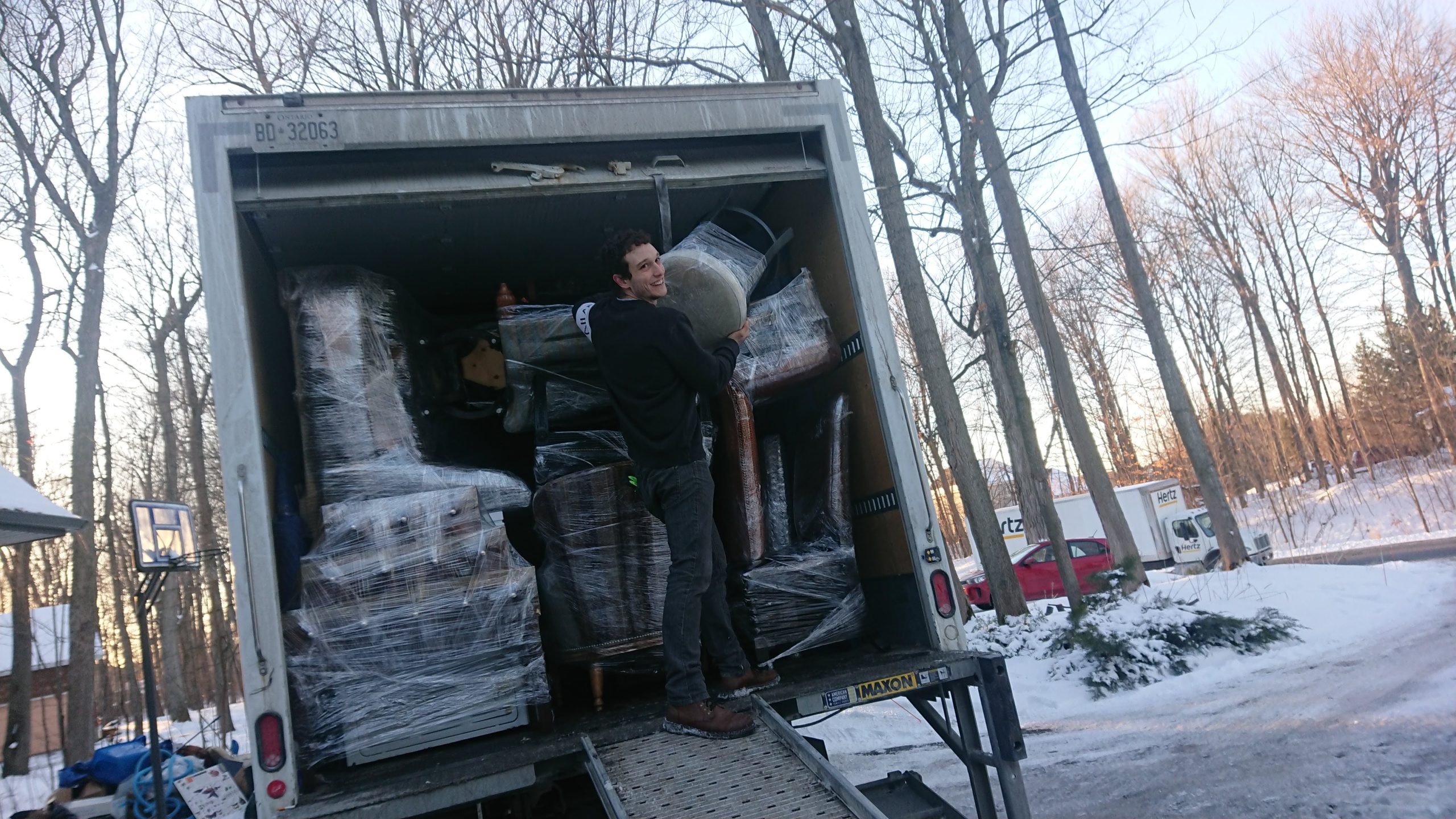

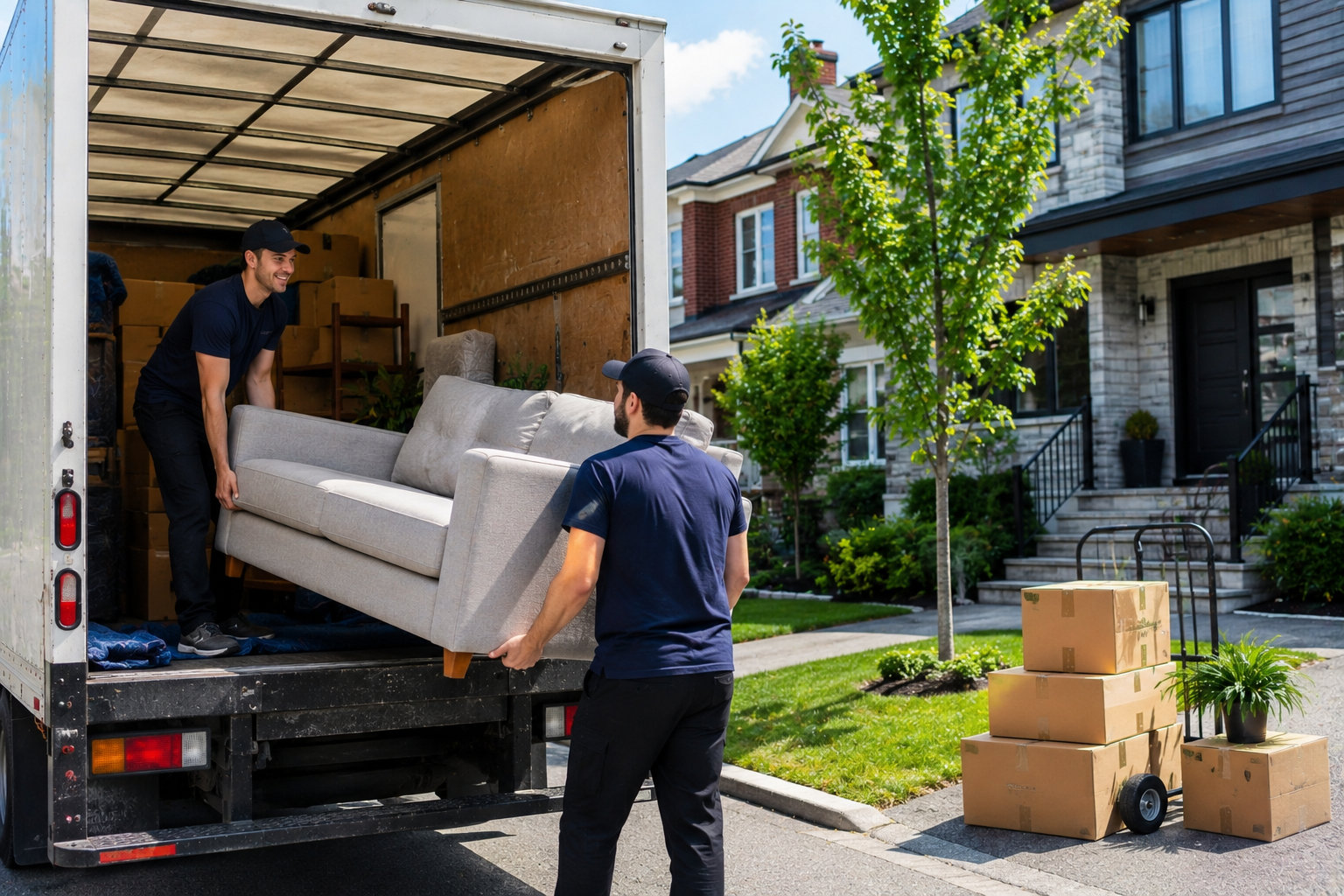
Furniture is often among the largest, heaviest, and most valuable belongings transported during a residential move. A dining table may have been part of the family home for years. A sofa may be difficult to replace. A wooden dresser can carry both financial and sentimental value. Even newer furniture deserves careful handling so it arrives at the next home ready to use.
Yet furniture protection involves more than simply wrapping everything in blankets.
A successful furniture move begins with preparation. Homeowners need to consider dimensions, doorways, stairs, removable components, fragile finishes, the layout of the new property, and the order in which larger pieces should be handled.
For people relocating throughout Ottawa, Kanata, Barrhaven, Orleans, Nepean, Riverside South, Stittsville, Gloucester, Westboro, Manotick, Greely, and Downtown Ottawa, these details become especially important because properties across the region vary considerably. A large suburban home presents different challenges from a downtown condominium, older property, or multi-level townhouse.
At Labelle Moving, we understand that furniture is more than cargo. We focus on careful preparation, organized handling, and thoughtful placement so homeowners can begin using their new spaces without unnecessary complications.
Here is what homeowners should know about protecting furniture before and during an Ottawa move.
Furniture Protection Begins Before Moving Day
One of the biggest misconceptions about furniture moving is that protection begins when movers arrive.
In reality, homeowners can make the process significantly easier beforehand.
Start by identifying every large piece that needs to be moved, including:
- Sofas
- Sectionals
- Dining tables
- Beds
- Dressers
- Desks
- Bookcases
- Entertainment units
- Cabinets
- Outdoor furniture
This inventory helps homeowners identify pieces that may require disassembly, additional preparation, or special handling.
It also provides an opportunity to decide whether every piece should actually make the move.
Measure the Furniture and the Path
A sofa may fit beautifully in a living room but still be difficult to move through a narrow doorway.
Before moving day, measure large furniture and compare those dimensions with the path it needs to travel.
Important measurements may include:
- Front doors
- Interior doors
- Hallways
- Staircases
- Landings
- Basement entrances
- Elevator doors
The same process should be repeated at the destination.
This is especially valuable when moving from a larger property in Kanata, Barrhaven, Manotick, or Greely into a smaller townhouse, apartment, or condominium elsewhere in Ottawa.
Knowing about a tight space in advance allows the moving plan to account for it.
Decide What Should Be Disassembled
Some furniture is safer and easier to transport when partially disassembled.
Depending on the piece, removable components might include:
- Table legs
- Bed frames
- Shelves
- Headboards
- Sectional components
- Desk extensions
- Removable feet
Disassembly can reduce weight and make furniture easier to maneuver through doorways and staircases.
However, homeowners should avoid dismantling complicated furniture without understanding how it will be reassembled.
Keeping hardware organized is essential.
Small screws, bolts, brackets, and other components can be placed in secure bags and kept with the appropriate furniture whenever practical.
Empty Furniture Before It Is Moved
Dressers, cabinets, desks, and shelving units should be prepared appropriately before transportation.
Loose contents can shift while the furniture is being moved.
Homeowners should generally remove:
- Fragile objects
- Electronics
- Loose accessories
- Personal belongings
- Heavy contents
Drawers and doors should also be prepared so they do not unexpectedly open during handling.
An empty piece is often easier to manage and reduces the chance of belongings being damaged inside it.
Protect Wood Surfaces From Scratches
Wood furniture can be particularly vulnerable to scratches, dents, and chipped corners.
Dining tables, desks, dressers, sideboards, and bed frames often have finished surfaces that homeowners want to preserve.
Furniture blankets and appropriate protective materials can help shield surfaces during handling and transportation.
Extra attention should be given to:
- Corners
- Legs
- Decorative edges
- Polished surfaces
- Exposed hardware
The goal is to prevent furniture from rubbing directly against other items or hard surfaces during the move.
Glass Components Require Separate Attention
Furniture containing glass deserves additional planning.
Examples include:
- Glass dining tables
- Cabinet doors
- Display units
- Glass shelves
- Coffee tables
Whenever appropriate, removable glass components can be separated from the furniture and protected individually.
Glass should never be treated like an ordinary solid furniture surface.
Homeowners should also make the moving team aware of any pieces containing fragile or removable glass.
Clear communication helps ensure the appropriate handling approach is used.
Upholstered Furniture Needs Protection Too
Sofas, armchairs, dining chairs, and other upholstered furniture can collect dirt or suffer surface damage during transportation.
Protecting upholstery helps reduce exposure to:
- Dust
- Dirt
- Moisture
- Contact with other belongings
This can be especially important during Ottawa’s changing weather conditions.
A sunny morning can become wet later in the day, and early fall conditions may bring rain or damp surfaces.
Protective preparation helps keep furniture cleaner throughout the relocation.
Rain Changes the Moving Strategy
Ottawa weather does not always cooperate with moving schedules.
If rain is expected, homeowners should prepare both the furniture and property.
Useful considerations include:
- Keeping pathways clear
- Protecting interior flooring
- Minimizing unnecessary outdoor exposure
- Having appropriate coverings ready
Furniture should not be left outside longer than necessary.
Homeowners can also help by ensuring doors, entrances, and unloading routes are ready before items begin arriving.
Good preparation reduces the amount of time furniture spends exposed to changing conditions.
Clear Pathways Protect More Than Furniture
One of the simplest ways to reduce moving-day problems is to create unobstructed pathways.
Before movers arrive, remove:
- Small rugs
- Floor decorations
- Children’s toys
- Pet items
- Loose shoes
- Small furniture
Clear access from each room to the exit gives movers more room to maneuver larger items.
This is especially important in multi-level homes throughout Barrhaven, Riverside South, Orleans, Kanata, and Stittsville, where furniture may need to travel through staircases and narrow landings.
Clear pathways help protect the furniture, the property, and everyone involved in the move.
Floors and Walls Also Need Consideration
Protecting furniture should not come at the expense of the home itself.
Large pieces can be challenging to maneuver around:
- Stair railings
- Door frames
- Hardwood flooring
- Narrow hallways
- Finished walls
Careful handling and appropriate protective measures help reduce accidental contact.
This matters at both addresses.
Homeowners understandably want to leave their previous property in good condition while also protecting the finishes in their new home.
Older Ottawa Homes Can Present Unique Challenges
Mature neighbourhoods throughout Nepean, Westboro, Gloucester, and central Ottawa may include homes built during different architectural periods.
These properties can feature:
- Narrower staircases
- Smaller doorways
- Tight hallways
- Unusual room layouts
Furniture that entered a property years ago may not be simple to remove.
Sometimes homeowners forget that a large item was assembled inside the room rather than carried into it fully constructed.
Identifying these situations early prevents moving-day surprises.
Condominiums Require a Different Approach
Furniture moving in Downtown Ottawa and other condominium communities often involves additional logistical considerations.
Building rules may determine:
- Elevator reservations
- Moving hours
- Loading access
- Protective elevator requirements
- Parking arrangements
Furniture dimensions should also be compared with elevator and hallway dimensions.
A large sectional that worked in a suburban home may require additional planning before entering a condominium.
Contacting building management before moving day can help clarify these requirements.
Protect Antique and Sentimental Furniture Carefully
Some furniture cannot simply be replaced.
An antique dresser, family dining table, inherited cabinet, or handcrafted chair may carry memories across generations.
Homeowners should identify sentimental or particularly delicate furniture before moving day and communicate its importance to the moving team.
These pieces may require additional preparation based on:
- Age
- Construction
- Finish
- Fragile components
- Existing condition
The more information available beforehand, the easier it is to plan appropriate handling.
Photograph Furniture Before the Move
Taking photographs of valuable furniture before moving day can be useful.
Photos provide a record of:
- Existing condition
- Furniture configuration
- Removable components
- Assembly details
They can also help during reassembly.
For complex shelving, desks, bed frames, or modular furniture, a few photographs taken before disassembly may save considerable time at the destination.
Plan Where Furniture Will Go Before It Arrives
Furniture protection does not end when an item enters the new home.
Repeatedly moving a heavy piece from one room to another creates unnecessary handling.
Before moving day, homeowners should determine the intended location of major furniture.
A basic room plan can show where to place:
- Beds
- Sofas
- Dining tables
- Dressers
- Desks
- Large cabinets
Clear instructions allow movers to place furniture in the appropriate location the first time whenever practical.
Consider the Layout of the New Community
Property styles vary considerably across Ottawa.
A newer home in Riverside South or Barrhaven may offer wider entrances and open-concept spaces.
A larger property in Manotick or Greely may provide more exterior access but involve longer carrying distances.
A townhouse in Kanata, Orleans, or Stittsville may require moving furniture across several floors.
A condominium in Downtown Ottawa or Westboro may involve elevators and shared corridors.
Understanding these differences allows homeowners and movers to prepare for the actual environment.
Avoid Using Furniture as a Packing Container
It can be tempting to leave drawers full of clothing or fill cabinets with lightweight items to reduce the number of boxes.
However, this can create problems.
Contents may:
- Shift
- Add unnecessary weight
- Damage the furniture
- Make handling more difficult
Packing belongings separately creates better control over both the furniture and its contents.
Keep Hardware Organized
Few things are more frustrating than arriving at a new home with a bed frame but being unable to find the bolts required to assemble it.
Hardware from disassembled furniture should be stored securely and identified clearly.
For example, a bag could correspond specifically to:
- Primary bed
- Dining table
- Office desk
- Bookshelf
Organization at the old home makes reassembly much easier at the new one.
Do Not Rush Heavy Furniture
Large furniture can make homeowners feel as though speed is the priority.
It is not.
Controlled, careful handling is more important than rushing.
Corners, staircases, doorways, and uneven surfaces require attention. Taking the appropriate time can help protect both the furniture and surrounding property.
At Labelle Moving, we believe an efficient move is an organized move—not simply a fast one.
Professional Movers Bring More Than Strength
Furniture moving requires judgment as much as physical ability.
Experienced movers consider:
- Weight distribution
- Furniture shape
- Property access
- Stair configurations
- Appropriate protection
- Loading order
These details help furniture travel more safely from one property to another.
Professional moving support can be particularly valuable when a household contains large, awkward, or delicate pieces.
Furniture Placement Can Help the New Home Feel Finished Faster
After a long moving day, seeing the sofa in the living room, beds in the bedrooms, and dining table in place can immediately make a new property feel more familiar.
This is one reason planning furniture placement beforehand is so worthwhile.
Boxes may take days or weeks to unpack completely, but correctly positioned furniture creates structure immediately.
It gives homeowners a functional foundation from which to organize everything else.
Final Thoughts
Protecting furniture during a move does not require making the process unnecessarily complicated. It requires thoughtful preparation.
Measure large pieces and access points, remove loose contents, identify items requiring disassembly, protect delicate surfaces, clear pathways, organize hardware, and decide where furniture will be placed at the destination.
Whether moving from a family home in Barrhaven, a townhouse in Kanata, a property in Orleans, a condominium in Downtown Ottawa, an established home in Nepean or Westboro, or relocating throughout Riverside South, Stittsville, Gloucester, Manotick, Greely, and the greater Ottawa region, careful furniture preparation can make moving day considerably smoother.
At Labelle Moving, we treat every household’s belongings with care because we understand that furniture is part of the home people have built—and part of the home they are creating next.
Call to Action
Preparing for a residential move and concerned about safely transporting your furniture?
Call or text Labelle Moving at (343) 943-MOVE for a free moving estimate. We proudly serve Ottawa, Kanata, Barrhaven, Orleans, Nepean, Riverside South, Stittsville, Gloucester, Westboro, Manotick, Greely, Downtown Ottawa, and surrounding communities.
Let our experienced team help make your next move organized, carefully handled, and professionally managed from the first piece of furniture to the final placement in your new home.