
Packing an entire home can feel overwhelming when every room seems to contain something that needs attention. Kitchens are filled with dishes and appliances, bedrooms contain clothing and personal belongings, garages accumulate tools and seasonal equipment, and storage areas often hold items that have not been touched in years.
The challenge is not simply figuring out how to put everything into boxes. It is knowing where to begin.
For homeowners preparing to move throughout Ottawa, Kanata, Barrhaven, Orleans, Nepean, Riverside South, Stittsville, Gloucester, Westboro, Manotick, Greely, and Downtown Ottawa, packing in the right order can make the entire relocation easier.
At Labelle Moving, we have seen how much difference a thoughtful packing strategy can make. When homeowners begin with belongings they rarely use and gradually work toward everyday essentials, they can continue living comfortably in their current home while steadily preparing for moving day.
Instead of packing randomly from room to room, a structured approach keeps the home functional, protects belongings, and helps prevent the frantic last-minute packing that can make moving unnecessarily stressful.
Here is a practical way to decide what should be packed first, what should wait, and what should remain accessible until moving day.
Start With Items You Rarely Use
The easiest place to begin is with belongings that will not be needed before the move.
These items can often be packed weeks ahead without disrupting everyday life.
Examples include:
- Seasonal decorations
- Collectibles
- Extra linens
- Decorative accessories
- Books
- Special-occasion dishes
- Spare kitchen equipment
- Archived paperwork
- Hobby supplies
Packing these belongings first creates visible progress without making the home uncomfortable.
It also gives homeowners time to develop an organized packing system before tackling more frequently used possessions.
Storage Areas Are an Excellent Early Priority
Basements, garages, attics, spare closets, and storage rooms are often good places to begin.
These spaces usually contain belongings that are not required every day.
However, they can also require more time than expected.
A basement may contain years of accumulated possessions. A garage may include tools, recreational equipment, outdoor furniture, and seasonal supplies.
Families moving from larger homes in Kanata, Barrhaven, Stittsville, Manotick, or Greely may have substantial storage areas to prepare.
Beginning early prevents these spaces from becoming a stressful last-minute project.
Declutter Before Anything Goes Into a Box
Moving something that will immediately be discarded at the new home creates unnecessary work.
Before packing each area, homeowners should decide whether every item still belongs in their lives.
A simple sorting process can separate belongings into categories:
- Keep
- Donate
- Recycle
- Dispose of responsibly
Decluttering before packing can reduce the number of boxes that need to be transported and unpacked.
It also helps the new home begin with better organization rather than bringing old clutter into a fresh space.
Pack Seasonal Items Based on the Time of Year
Seasonal belongings are another natural starting point.
If the move is taking place as Ottawa transitions toward cooler weather, homeowners may be finished with many summer items.
These could include:
- Beach equipment
- Summer sports gear
- Some patio accessories
- Seasonal decorations
- Warm-weather recreational supplies
At the same time, fall clothing and rain gear should remain accessible.
Ottawa’s changing seasons make this distinction particularly useful. Homeowners can pack what they know they will not use while keeping weather-appropriate belongings close at hand.
Decorative Items Can Come Down Early
Artwork, framed photographs, decorative objects, and other non-essential accessories can usually be packed well before moving day.
Removing decorations early also helps homeowners identify:
- Wall repairs
- Forgotten items
- Delicate possessions requiring special protection
Fragile decorative pieces should be wrapped carefully rather than simply placed together in a large box.
Mirrors, artwork, glass decorations, and sentimental objects deserve particular attention.
Books Can Be Packed Earlier Than Most Belongings
Books are usually easy to pack in advance because most households only need a small selection immediately.
However, they should be packed thoughtfully.
Books become extremely heavy when placed together in large boxes. Smaller boxes are generally more manageable and help prevent excessive weight.
Homeowners can keep a few favourite books accessible while packing the remainder early.
Spare Bedrooms Can Be Prepared Before Main Bedrooms
If the home includes a guest bedroom or another room that is not used regularly, it can become an early packing zone.
Homeowners can pack:
- Extra bedding
- Guest towels
- Decorative items
- Spare furniture accessories
- Closet contents
The room can then serve as an organized location for completed boxes.
This is especially helpful in larger homes where packing supplies and finished boxes need a temporary staging area.
The Kitchen Should Be Packed in Stages
The kitchen is one of the most challenging rooms because it contains so many everyday necessities.
Trying to pack the entire kitchen too early can make normal life difficult.
Instead, begin with items that are used infrequently:
- Specialty appliances
- Serving platters
- Extra cookware
- Special-occasion glassware
- Duplicate utensils
- Decorative dishes
As moving day approaches, gradually reduce the kitchen to a small collection of everyday essentials.
A few plates, cups, utensils, pans, and basic cooking tools are usually enough for the final days.
Clothing Should Follow the Same Principle
Packing every piece of clothing too early creates unnecessary inconvenience.
Instead, homeowners can begin with:
- Out-of-season clothing
- Formalwear
- Extra shoes
- Special-occasion accessories
- Clothing rarely worn
Everyday clothing should remain available until much closer to moving day.
A small suitcase containing enough clothing for several days can also make the transition easier.
This is particularly useful if unpacking the bedroom will not happen immediately.
Children’s Rooms Require Thoughtful Timing
Children can find moving exciting, but seeing their entire room disappear into boxes can also make the transition feel very real.
Parents may want to pack children’s rooms gradually.
Items that can go first include:
- Outgrown clothing
- Books not currently being read
- Extra toys
- Seasonal belongings
Favourite toys, bedtime items, school supplies, and comfort objects should generally remain accessible.
For families moving between Barrhaven, Kanata, Orleans, Riverside South, Stittsville, or other Ottawa communities, maintaining children’s regular routines can make the transition considerably easier.
Home Offices Need a Separate Strategy
More Ottawa homeowners now have dedicated home workspaces, making office packing an important part of residential moving.
Begin by organizing:
- Archived files
- Extra supplies
- Reference materials
- Equipment that is rarely used
Frequently used computers, chargers, documents, and communication equipment should remain accessible until work responsibilities have been completed.
Important business documents should be kept organized rather than mixed randomly with household boxes.
Do Not Pack Important Documents Into the Moving Load
Some belongings should remain with the homeowner throughout the relocation.
Important documents may include:
- Identification
- Passports
- Property documents
- Financial records
- Insurance information
- Medical information
- Moving paperwork
These should be stored securely and transported personally whenever appropriate.
Searching through dozens of boxes for an important document is something every homeowner should avoid.
Medication and Daily Necessities Should Stay Accessible
Medication should not disappear into a general household box.
Prescription medication and important personal necessities should remain easily accessible throughout the move.
The same applies to:
- Eyeglasses
- Phone chargers
- Toiletries
- Personal care products
- Children’s necessities
- Pet supplies
These belongings should ideally travel with the household rather than becoming buried among packed possessions.
Create a Moving-Day Essentials Kit
One of the most useful things a homeowner can prepare is a dedicated essentials kit.
It might include:
- Toilet paper
- Paper towels
- Soap
- Basic cleaning supplies
- Chargers
- Snacks
- Bottled water
- Towels
- Bedding
- Basic tools
- A change of clothing
Families with children or pets should add anything they will need during the first several hours in the new home.
This box or bag should be clearly separated from everything else.
Label Boxes for Their Destination, Not Just Their Contents
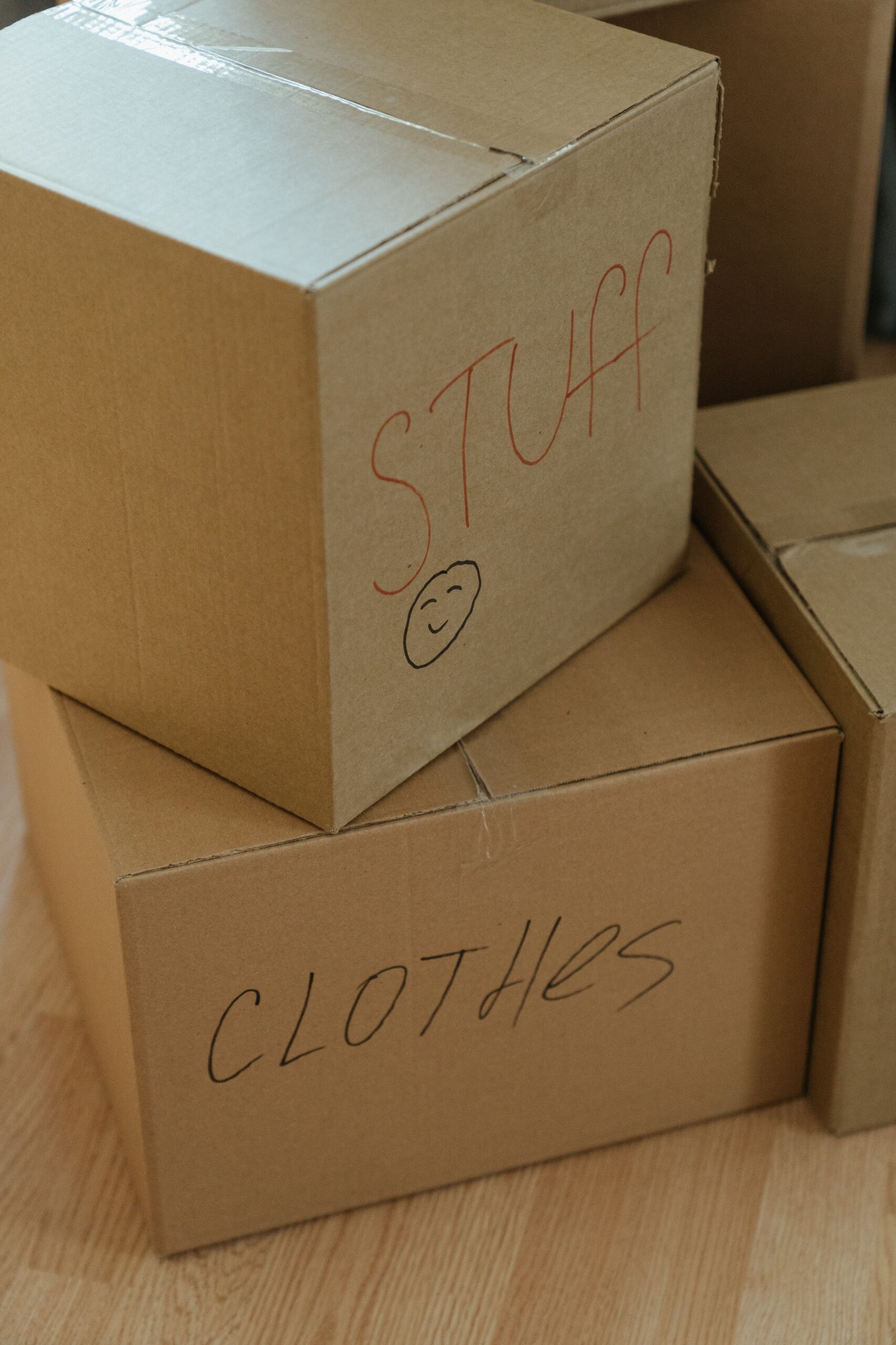
A box labeled “miscellaneous” may make sense while packing, but it is not particularly useful when unloading.
Instead, labels should identify the destination room.
For example:
PRIMARY BEDROOM – BEDDING
or
KITCHEN – COOKWARE
This allows movers to place boxes directly into the correct spaces.
When relocating into a multi-level home in Barrhaven, Kanata, Riverside South, Orleans, or Stittsville, clear room labels can prevent boxes intended for upstairs bedrooms from being left on the main floor.
Avoid Making Boxes Too Heavy
A common packing mistake is filling every box completely without considering its weight.
Heavy items such as:
- Books
- Canned goods
- Tools
- Small appliances
are usually better placed in smaller boxes.
Lighter belongings such as pillows, blankets, and clothing can be placed in larger containers.
A box should be secure and manageable rather than simply filled to maximum capacity.
Prepare a Separate Plan for Fragile Belongings
Fragile possessions require more than an ordinary packing routine.
Items such as:
- Glassware
- Mirrors
- Artwork
- Electronics
- Ceramics
- Delicate decorations
should be appropriately protected and packed so they cannot shift excessively during transportation.
Homeowners should also make movers aware of boxes that require particularly careful handling.
Good communication is part of protecting valuable possessions.
Condo Packing Should Consider Building Logistics
Residents moving from condominiums in Downtown Ottawa, Westboro, Nepean, Gloucester, or other urban areas may need to think beyond packing.
Elevator reservations, designated moving periods, loading areas, and building rules can influence the entire schedule.
Boxes should ideally be completely packed and ready before the reserved moving window begins.
When elevator time is limited, finishing packing while movers are waiting can create avoidable delays.
Keep the Final Days Simple
As moving day approaches, the home should gradually become simpler.
The goal is to reach the final evening with only a limited number of essentials still unpacked.
That might include:
- Basic cookware
- Toiletries
- Bedding
- Daily clothing
- Chargers
- Medication
- Children’s necessities
Everything else should ideally be ready for transportation.
This makes the morning of the move considerably more organized.
Good Packing Makes Unpacking Easier
Packing is not only about leaving the current property.
Every decision made while packing affects what happens at the destination.
Organized boxes can be placed directly into the appropriate rooms, allowing homeowners to unpack according to priority.
Instead of opening random boxes, they can begin with:
- Bedrooms
- Bathrooms
- Kitchen essentials
- Children’s spaces
- Main living areas
The result is a new home that becomes functional much faster.
Final Thoughts
Knowing what to pack first removes much of the uncertainty from moving preparation.
Start with possessions that are rarely used, work through storage spaces and seasonal belongings, gradually reduce everyday household items, and keep essential possessions accessible until the very end.
Whether moving from a family home in Barrhaven, a townhouse in Riverside South, a condominium in Downtown Ottawa, a larger property in Manotick, or relocating anywhere throughout Kanata, Orleans, Nepean, Stittsville, Gloucester, Westboro, Greely, and the greater Ottawa area, a thoughtful packing sequence can make the entire relocation easier.
At Labelle Moving, we believe preparation is one of the foundations of a successful move. When belongings are packed thoughtfully and the home is ready before moving day, the physical relocation becomes more efficient and homeowners can focus on beginning the next chapter.
Call to Action
Planning a move in Ottawa, Kanata, Barrhaven, Orleans, Nepean, Riverside South, Stittsville, Gloucester, Westboro, Manotick, Greely, Downtown Ottawa, or a surrounding community?
Call or text Labelle Moving at (343) 943-MOVE today for a free moving estimate. Our experienced team is ready to help make your relocation organized, carefully managed, and as stress-free as possible from the first box to the final room.