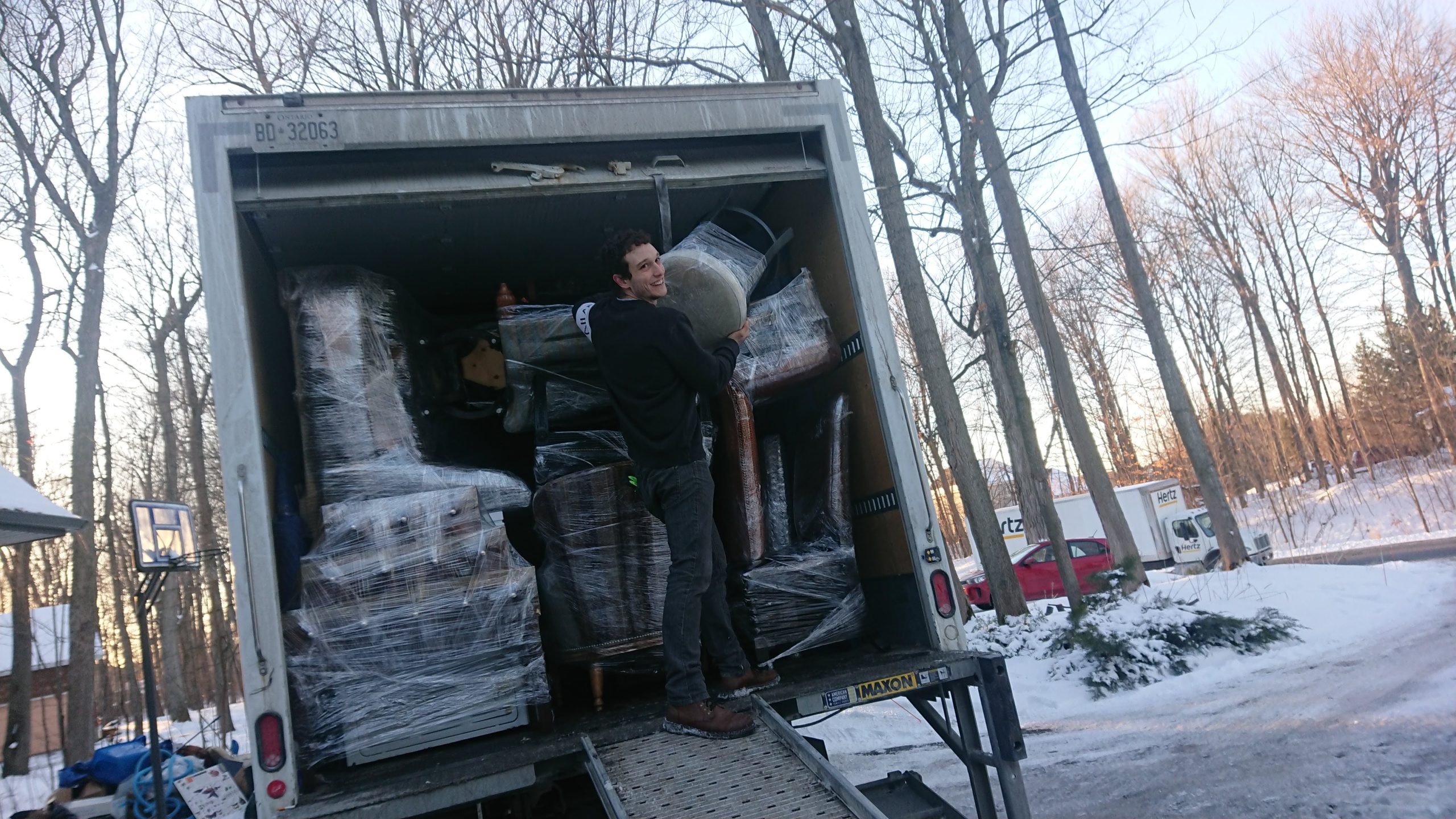


Packing is one of the biggest parts of any move, but the order in which it is done can make the process much easier. When homeowners pack strategically, they avoid opening sealed boxes too early, reduce last-minute stress, and make unpacking at the new home more efficient.
For households moving throughout Ottawa, Kanata, Barrhaven, Orleans, Nepean, Riverside South, Stittsville, Gloucester, Westboro, Manotick, Greely, and Downtown Ottawa, a thoughtful packing order can help keep everyday life functional while the move gradually comes together.
At Labelle Moving, we often see that organized packing makes moving day smoother from the moment loading begins. The goal is simple: pack what is used least first, and leave daily essentials until the end.
Start With Storage Areas
Storage spaces are usually the best place to begin.
These may include:
- Basement storage
- Garage shelving
- Spare closets
- Attics
- Seasonal storage rooms
These areas often contain belongings that are not needed every day.
Starting here creates early progress without disrupting normal household routines.
Pack Seasonal Items Next
Seasonal belongings are another good early priority.
Depending on the time of year, homeowners may be able to pack:
- Summer equipment
- Seasonal decorations
- Extra blankets
- Out-of-season clothing
- Recreational gear
This is especially useful for Ottawa homeowners preparing for cooler weather.
Keeping only current-season items accessible helps reduce clutter during the final weeks.
Decorative Items Can Be Packed Early
Artwork, framed photos, decorative objects, and display items are usually not needed for everyday living.
Packing them early has several advantages.
It helps:
- Reduce visual clutter
- Protect fragile items sooner
- Free up shelving and surfaces
- Make final cleaning easier
Fragile items should be wrapped carefully and packed securely.
Books and Hobby Items Can Follow
Books, collectibles, crafting supplies, and hobby equipment can usually be packed next.
These items are often easy to organize but can become heavy quickly.
Smaller boxes work well for heavier belongings such as books.
Homeowners should avoid overloading large boxes, which can make handling more difficult.
Spare Rooms Are Easier to Pack Before Main Living Spaces
If the home has a guest room, office, or other less frequently used space, these can be prepared before bedrooms and the kitchen.
A spare room can also become a temporary staging area for packed boxes.
This keeps completed boxes organized instead of scattered throughout the home.
Pack the Kitchen in Stages
The kitchen is usually one of the last rooms to be fully packed because it contains so many everyday necessities.
Begin with items used less frequently, such as:
- Specialty appliances
- Serving dishes
- Extra cookware
- Decorative glassware
- Duplicate utensils
Closer to moving day, reduce the kitchen to only a few essentials.
This allows the household to continue functioning without reopening boxes.
Clothing Should Also Be Packed Gradually
Packing every piece of clothing too early creates unnecessary inconvenience.
Start with:
- Out-of-season clothing
- Formalwear
- Extra footwear
- Clothing rarely worn
Keep enough everyday clothing accessible until the final days.
A small personal bag can also hold clothing for the first night at the new home.
Children’s Rooms Need a Different Approach
Children often benefit from having familiar belongings available during the transition.
Pack first:
- Extra toys
- Books
- Outgrown clothing
- Seasonal belongings
Keep accessible:
- Favourite toys
- School supplies
- Comfort items
- Bedtime essentials
Families moving throughout Barrhaven, Kanata, Orleans, Riverside South, and Stittsville may find that maintaining routine helps children adjust more comfortably.
Home Offices Should Stay Functional as Long as Possible
For remote workers and business owners, the home office may need to remain operational until very close to moving day.
Pack non-essential office items first, such as:
- Archived files
- Extra supplies
- Reference books
- Secondary equipment
Keep essential devices, chargers, and important documents accessible.
This helps reduce unnecessary interruption to work.
Leave Bathroom Essentials Until Late
Bathroom belongings are used daily, so most of them should remain available until the final stage.
Pack extras first:
- Spare towels
- Backup toiletries
- Decorative items
Keep only daily necessities accessible.
A separate first-night bathroom kit makes the transition easier after arrival.
Label Every Box Clearly
A good packing order works best when boxes are also labeled properly.
Labels should identify:
- Destination room
- General contents
- Fragile items where appropriate
For example:
KITCHEN – COOKWARE
is much more useful than simply writing:
BOX 12
Clear labels help movers place belongings correctly during unloading.
Keep Heavy Items in Smaller Boxes
Books, tools, and canned goods can make boxes extremely heavy.
Use smaller containers for dense items and larger boxes for lighter belongings such as:
- Pillows
- Blankets
- Clothing
This makes boxes easier to handle and reduces the risk of damage.
Separate Important Documents
Important personal documents should not be mixed into general household packing.
Keep accessible:
- Identification
- Property paperwork
- Insurance information
- Financial documents
- Moving information
These should remain secure and easy to reach throughout the move.
Prepare an Essentials Box Last
One of the final things packed should be an essentials box.
It may contain:
- Toiletries
- Medication
- Chargers
- Bedding
- Towels
- Snacks
- Basic kitchen supplies
- Children’s necessities
- Pet supplies
This box should remain easy to identify and access.
Condo Moves Need Extra Organization
For condominium moves in Downtown Ottawa, Westboro, Nepean, or Gloucester, packing should be completed before any reserved elevator period begins.
Building access may be limited to specific hours, so last-minute packing can create delays.
Having everything ready helps make better use of the scheduled moving window.
Local Ottawa Homes Require Different Packing Strategies
Property size and layout can affect how packing should be organized.
For example:
- Larger homes in Kanata or Barrhaven may need more time for storage areas.
- Townhouses in Riverside South or Stittsville may benefit from clear floor-by-floor labeling.
- Condos in Downtown Ottawa require compact, organized packing.
- Larger properties in Manotick or Greely may include more garage and outdoor belongings.
The best packing order reflects the actual property and household.
Final Thoughts
Packing does not need to feel overwhelming when it is completed in the right order.
Start with storage and seasonal belongings, move gradually through less-used rooms, keep daily essentials until the end, and label everything clearly.
Whether moving within Ottawa, Kanata, Barrhaven, Orleans, Nepean, Riverside South, Stittsville, Gloucester, Westboro, Manotick, Greely, Downtown Ottawa, or another nearby community, a thoughtful packing sequence can make moving day far more organized.
At Labelle Moving, we believe that good preparation creates a better moving experience from the first packed box to the final room.
Call to Action
Planning an upcoming move in Ottawa or the surrounding communities?
Call or text Labelle Moving at (343) 943-MOVE for a free moving estimate. Our experienced team is ready to provide an organized, careful, and professionally managed move from your current home to your next one.