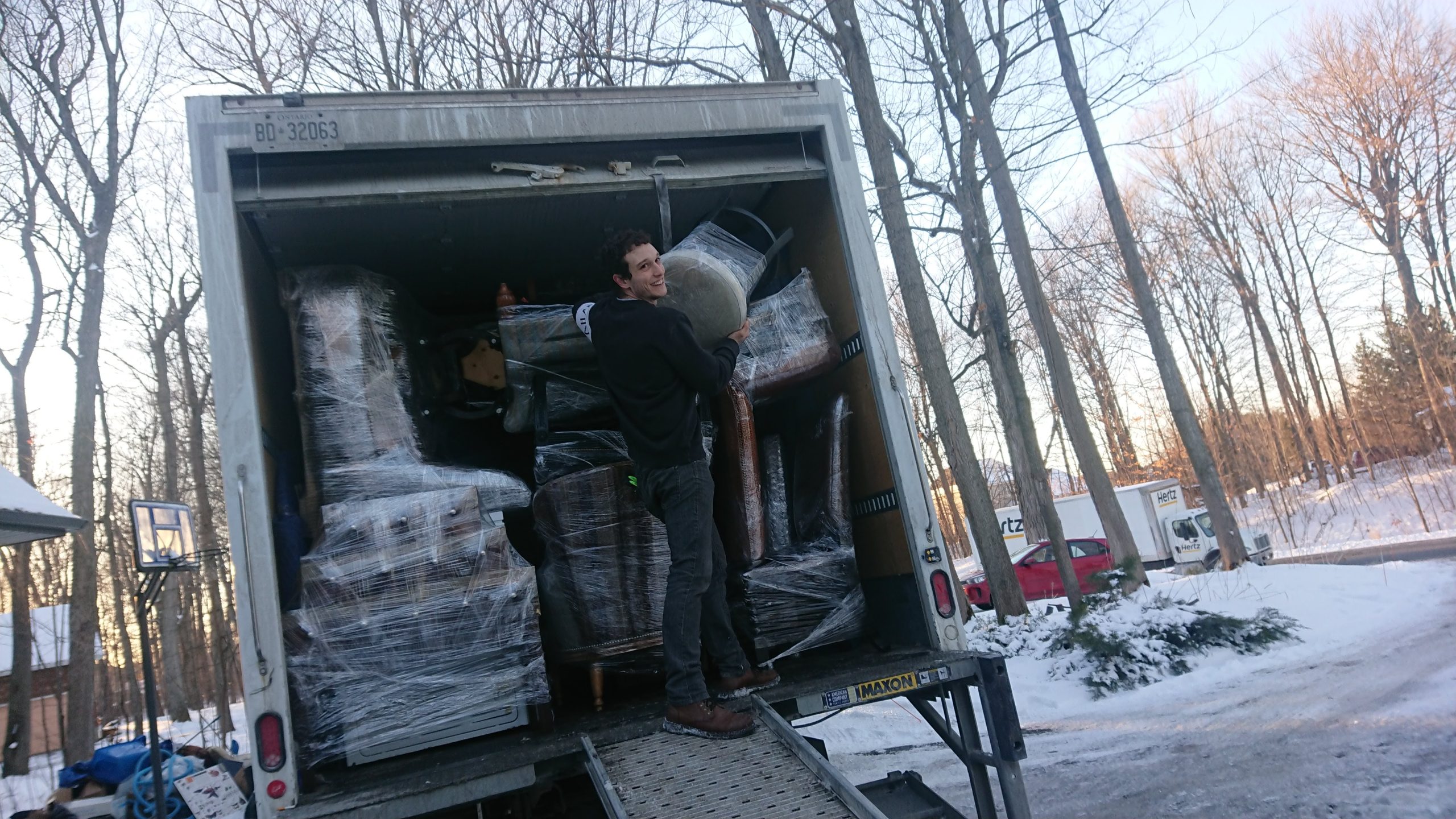


Moving to a new home can represent an important change at any stage of life, but it can be particularly meaningful for older adults. For some seniors, relocating may involve downsizing from a longtime family home, moving closer to loved ones, or transitioning into a retirement community. Although these changes can offer new opportunities and more suitable living arrangements, leaving a familiar environment is not always easy. Years of memories, personal belongings, and established routines can make the process emotional as well as physically demanding.
For families, helping an older loved one move can also involve several responsibilities. They may need to coordinate schedules, organize household belongings, arrange transportation, and make sure the new living space is prepared. Professional senior moving assistance can help reduce some of these demands by providing practical support throughout the transition. LaBelle Moving offers specialized moving assistance for seniors, focusing on thoughtful guidance, careful handling, and making the experience as comfortable as possible.
Understanding Why Seniors May Need to Move
There are many reasons why an older adult may decide to relocate. Some seniors choose to move into smaller homes because maintaining a large property has become more difficult. Others may want to live closer to children, relatives, or friends so that spending time together becomes more convenient. A move may also involve transitioning into a retirement community that offers a living arrangement better suited to changing needs and preferences.
Whatever the reason, the decision often involves more than choosing a new address. A longtime home may contain belongings collected over several decades, including furniture, photographs, decorations, books, and personal keepsakes. Each item can represent an important memory or experience, making it difficult to decide what should be brought to the new space. Giving seniors enough time to consider these decisions can make the transition feel less rushed.
Families should approach the process with patience and understanding. Rather than making decisions on behalf of an older loved one, it is important to involve them in discussions about their preferences and priorities. They should have the opportunity to decide which possessions matter most and how they would like their new space arranged. Respecting these choices helps make the move feel like a transition they are part of rather than something simply happening around them.
Making Downsizing a More Comfortable Experience
Downsizing is often one of the biggest challenges associated with senior moving. A home that once accommodated an entire family may contain more furniture and belongings than can fit comfortably in a smaller residence. This means that some items may need to be donated, passed on to relatives, sold, or otherwise handled before moving day. The process can take time because many belongings have both practical and sentimental value.
A helpful way to approach downsizing is to begin with one room at a time. Instead of sorting through the entire home in a single day, start with areas that contain fewer personal keepsakes, such as storage spaces or utility areas. This allows seniors and their families to make gradual progress without becoming overwhelmed. It also creates opportunities to discuss the purpose and importance of different belongings.
It is important to distinguish between items that are useful and those that hold personal meaning. A piece of furniture may not fit in the new home, but a smaller decorative item or photograph from the same room may still be worth bringing. Families can also consider taking photographs of certain belongings before letting them go. This can help preserve memories while making it easier to organize a smaller living space.
Planning the Move With Enough Time
A well organized moving schedule can help reduce the pressure associated with relocating. Seniors may need more time to sort through possessions, discuss arrangements, and become comfortable with the idea of leaving their current home. Starting early allows these responsibilities to be completed gradually rather than rushed into the final days before moving. It also gives family members more flexibility when coordinating their own schedules.
Begin by identifying the expected moving date and listing the tasks that need to be completed. These may include organizing belongings, arranging packing assistance, preparing the new residence, and confirming transportation details. If the senior is moving into a retirement community, it is also important to understand the property’s requirements for furniture, personal items, and move in arrangements. Having this information early can help prevent unnecessary complications.
A realistic schedule should include time for rest and adjustment. Sorting through a longtime home can be tiring, particularly when many decisions need to be made. Breaking the process into shorter sessions can make it more comfortable and manageable. Families should avoid placing unnecessary pressure on their loved ones to finish everything immediately.
Providing Careful Assistance With Packing
Packing can be physically demanding, especially when a home contains large quantities of furniture, household supplies, and personal possessions. Seniors may find it difficult to lift heavy boxes, reach storage areas, or spend long periods organizing belongings. Even smaller tasks can become tiring when combined with other moving preparations. Having additional assistance can make this stage easier and reduce the amount of physical work required.
Professional packing services can help prepare belongings for transportation using appropriate materials and careful handling. Fragile decorations, glassware, photographs, and valuable personal possessions may require additional protection. Organizing these items properly also makes unpacking easier once the move is complete. A structured packing process can help families keep track of important belongings throughout the transition.
LaBelle Moving offers packing services that can be customized according to each customer’s requirements. Its team can assist with preparing an entire household or focus on selected belongings that need additional attention. This flexibility is useful for seniors who want to remain involved in certain parts of the process while receiving help with more physically demanding tasks. It also allows family members to focus on other responsibilities without having to manage every packing detail themselves.
Keeping Cherished Belongings Close
Personal possessions often carry memories that make a house feel like home. Family photographs, favorite books, familiar decorations, and treasured furniture can provide a sense of continuity when moving into a different environment. For seniors leaving a longtime residence, bringing selected familiar items can help make the new space feel more welcoming. These belongings may be especially meaningful during the first few weeks after relocation.
Before packing begins, ask which possessions the senior would most like to keep nearby. These may include everyday items used for hobbies, personal comfort, or established routines. It can be helpful to prepare a separate collection of essential belongings so they are easy to locate upon arrival. Keeping these items accessible can make the first few days in the new home more comfortable.
Families should also consider how familiar objects can be arranged in the new space. Placing a favorite photograph, familiar chair, or meaningful decoration in a suitable location can help create a sense of familiarity. Even small details can make a new environment feel less unfamiliar. The goal is not simply to transport belongings but to help create a living space that reflects the senior’s preferences and personality.
Making the New Living Space Feel Familiar
Preparing the new home before arrival can make the transition more comfortable. If possible, decide where essential furniture and belongings will be placed ahead of time. Consider the location of the bedroom, seating areas, storage spaces, and frequently used household items. A practical arrangement can make everyday activities easier and help seniors become familiar with their surroundings.
It is also helpful to avoid overcrowding the new space. Bringing too many belongings into a smaller residence can make rooms feel cluttered and limit the available space for movement. Focus on the items that are useful, meaningful, and appropriate for the new layout. A comfortable environment should reflect the senior’s needs while allowing enough room for everyday activities.
Families can also prepare basic necessities before moving day. Make sure that bedding, toiletries, clothing, medications, and important personal items are accessible. If the senior is moving into a retirement community, coordinate with the appropriate staff regarding the arrival of belongings and any room preparation requirements. These arrangements can help make the first day in the new residence more organized.
Supporting Seniors Through the Emotional Side of Moving
Moving is not always a purely practical experience. Leaving a familiar home may bring feelings of sadness, uncertainty, or nostalgia, particularly when the property has been part of someone’s life for many years. Seniors may remember raising children, celebrating important occasions, or spending time with loved ones in the same rooms. Acknowledging these feelings is an important part of helping them adjust.
Families can make the experience more positive by allowing time for conversations and reflection. Looking through photographs, sharing memories, and discussing meaningful experiences can help seniors feel that their history is being respected. It is also important to listen when they express concerns about the new living arrangement. Reassurance is helpful, but giving them the opportunity to speak openly can be just as important.
After the move, maintaining familiar routines can support the adjustment process. Regular family visits, favorite activities, and opportunities to connect with friends can help create a sense of stability. Seniors may need time to become comfortable in their new surroundings, so families should remain patient throughout the adjustment period. A successful transition is not measured only by how quickly the belongings are unpacked but also by how comfortable the individual feels in the new environment.
How Professional Senior Moving Assistance Helps Families
Coordinating a senior relocation can be challenging for family members who are also managing work, personal responsibilities, and other commitments. They may need to help organize belongings while arranging transportation and preparing the new residence. When several people are involved, it can also become difficult to keep track of schedules and responsibilities. Professional moving assistance provides practical support with some of the physical and organizational tasks involved.
A moving team can help with packing, handling belongings, and transporting possessions to the new location. This allows family members to spend more time supporting their loved one rather than managing every part of the relocation themselves. It can also help reduce the physical demands placed on seniors who may prefer not to lift or carry heavy belongings. Having assistance can make the process more manageable for everyone involved.
LaBelle Moving understands that senior relocations require a thoughtful approach. Its senior moving assistance is designed to support older adults transitioning to smaller homes or retirement communities. From packing cherished possessions to helping prepare the new space, the company focuses on providing gentle guidance and practical assistance throughout the process.
Choosing a Moving Company That Understands Your Needs
When arranging a move for an older family member, it is important to consider the type of support that will make the experience more comfortable. Families should look for a moving service that is willing to understand the senior’s preferences and discuss the details of the relocation. Clear communication helps everyone know what to expect and allows important concerns to be addressed before moving day.
It is also useful to discuss the amount of assistance required. Some seniors may only need help transporting their belongings, while others may benefit from packing support and additional preparation. The moving date, property access, and special handling requirements should also be considered. Choosing services that match the situation can help avoid unnecessary complications.
A good moving arrangement should respect the senior’s involvement in the process. Their preferences should remain central when deciding which belongings to bring and how the new space should be prepared. By combining thoughtful family support with practical moving assistance, the transition can become more organized and comfortable.
A More Comfortable Beginning With LaBelle Moving
Relocating later in life can involve many decisions, but it can also create an opportunity to move into a living arrangement that better suits changing preferences and circumstances. With patience, careful preparation, and the right support, seniors can approach this transition with greater confidence. Giving attention to personal belongings, familiar routines, and emotional needs can help make the experience more positive.
LaBelle Moving provides senior moving assistance designed to help older adults and their families manage important parts of the relocation. Whether the move involves downsizing to a smaller home or transitioning into a retirement community, its team can assist with packing and handling cherished possessions. The focus is on making the process easier while ensuring that seniors feel comfortable and respected throughout their move.
Every senior deserves a moving experience that recognizes the importance of their memories, preferences, and next chapter. With the right preparation and assistance, families can spend less time worrying about the logistics and more time supporting their loved ones through this important change.
Call or text LaBelle Moving at 343 943 MOVE to discuss senior moving assistance and make your loved one’s next transition easier.