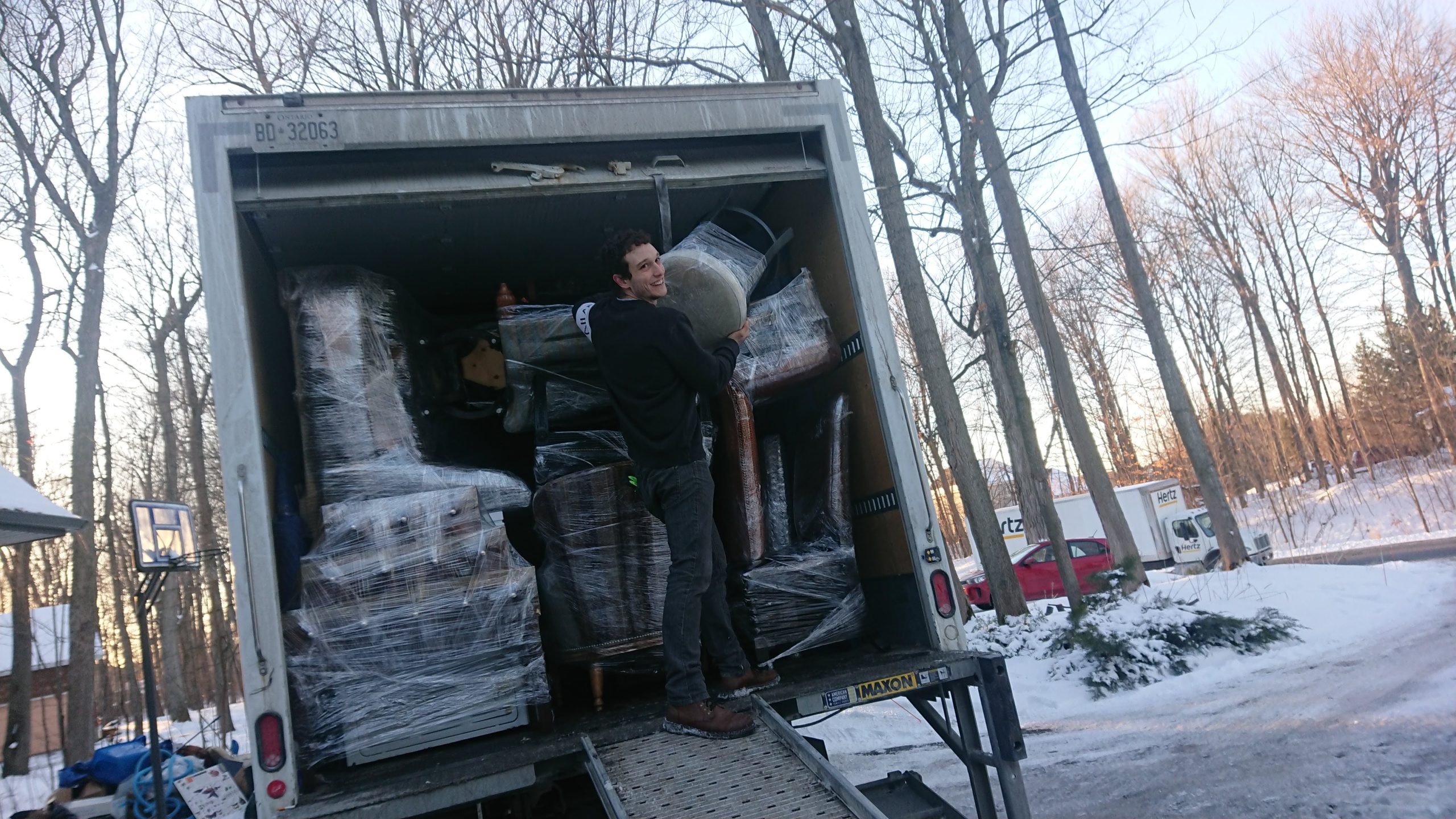


The sold sign is up. The agreement is complete. A new home is waiting. For many Ottawa homeowners, this should feel like the moment when the hardest part is over.
Then they look around the house.
The kitchen cupboards are still full. Closets contain years of clothing. The basement has boxes nobody has opened recently. The garage seems to have doubled in size overnight, and every room contains furniture, decorations, and everyday belongings that somehow need to reach another address.
When several weeks remain before moving day, it can be tempting to wait. After all, there is still plenty of time.
Those weeks, however, can become one of the most valuable parts of the entire relocation.
For homeowners moving throughout Ottawa, Kanata, Barrhaven, Orleans, Nepean, Riverside South, Stittsville, Gloucester, Westboro, Manotick, Greely, and Downtown Ottawa, the period between selling a home and moving out provides an opportunity to prepare carefully without turning everyday life upside down.
At Labelle Moving, we know that moving day is only one part of a successful relocation. The work completed beforehand can determine how organized, efficient, and comfortable the experience ultimately feels.
Here is how homeowners can make the most of those important weeks between selling their current property and moving into the next one.
The First Week Is for Planning, Not Panic
Once the move becomes official, homeowners often feel pressure to start packing immediately.
Packing certainly needs to happen, but creating a plan first can save considerable time later.
Start by identifying important dates, including:
- Closing dates
- Possession dates
- Moving day
- Utility changes
- School transitions
- Work commitments
- Building reservations, if applicable
These dates create the framework for everything else.
From there, homeowners can divide the property into manageable areas and decide when each one should be prepared.
A moving plan transforms one enormous project into a series of smaller tasks.
Walk Through the Entire Home Before Packing
Before filling the first box, take a complete walk through the property.
Look beyond the obvious living spaces.
Open:
- Closets
- Kitchen cabinets
- Bathroom storage
- Basement rooms
- Garage cabinets
- Outdoor sheds
- Storage areas
Homeowners are often surprised by how much is stored in places they rarely think about.
This early assessment helps determine how much packing is actually required and which areas deserve attention first.
Decide What Deserves Space in the New Home
Selling a property creates an excellent opportunity to reconsider household belongings.
Instead of asking, “Can this be moved?” ask, “Should this be moved?”
Items may have remained in the home simply because there was space available.
A relocation provides a natural reason to evaluate:
- Furniture
- Clothing
- Kitchenware
- Decorations
- Children’s belongings
- Books
- Electronics
- Garage contents
Anything that no longer serves a useful or meaningful purpose can potentially be donated, recycled, or responsibly discarded.
The goal is not to get rid of everything. It is to avoid spending time and effort transporting belongings that will immediately become clutter at the new address.
Start With the Rooms You Use Least
Homeowners still need to live comfortably during the weeks before moving day.
That is why packing should generally begin in spaces that are not essential to everyday routines.
Good starting points may include:
- Guest rooms
- Storage rooms
- Finished basement areas
- Formal dining rooms
- Hobby rooms
- Garage storage
Once these areas are complete, attention can gradually shift toward frequently used rooms.
This allows the home to remain functional while progress continues.
Use the Move to Finally Deal With the Basement
Basements have a remarkable ability to collect belongings.
Holiday decorations, old furniture, children’s toys, unused electronics, boxes from previous moves, and forgotten household items often accumulate over time.
Families moving from established homes in Nepean, Kanata, Barrhaven, Orleans, or Stittsville may discover that the basement requires more preparation than expected.
Starting early allows homeowners to sort carefully instead of making rushed decisions in the final days.
Heavy items should also be identified ahead of time so that appropriate moving plans can be made.
The Garage Deserves Its Own Schedule
Garages are another area homeowners frequently underestimate.
They may contain:
- Tools
- Bicycles
- Sports equipment
- Gardening supplies
- Outdoor furniture
- Automotive accessories
- Seasonal equipment
Families relocating from larger properties in Manotick, Greely, Stittsville, or Kanata may have especially substantial garage inventories.
Preparing these belongings early helps keep moving day focused on transportation rather than unfinished sorting.
Items that require special handling should also be identified before movers arrive.
Pack According to How Often Something Is Used
A simple packing principle can make the entire process easier:
The less often an item is used, the earlier it can be packed.
Several weeks before the move, homeowners can pack:
- Collectibles
- Books
- Extra linens
- Seasonal décor
- Specialty kitchen equipment
- Extra clothing
Closer to moving day, they can pack:
- Most cookware
- Most clothing
- Entertainment equipment
- Remaining decorations
Daily necessities remain available until the end.
This gradual approach avoids the frustration of repeatedly opening boxes to retrieve something packed too soon.
Make a Floor Plan for the New Home
Packing becomes more efficient when homeowners know where belongings are going.
Before moving day, consider the layout of the new property.
Decide which rooms will become:
- Primary bedroom
- Children’s bedrooms
- Home office
- Guest room
- Recreation room
- Storage area
This information can be incorporated into box labels.
Instead of simply writing “bedroom,” a label such as Second Floor – Child’s Bedroom gives much clearer unloading instructions.
Measure Before Assuming Furniture Will Fit
Furniture that worked perfectly in the old house may not suit the new one.
Measure major pieces such as:
- Sofas
- Dining tables
- Beds
- Desks
- Dressers
- Entertainment units
Then compare those dimensions with:
- Doorways
- Staircases
- Hallways
- Room dimensions
- Elevator dimensions, where applicable
This is particularly important when transitioning from a larger suburban property to a smaller home or condominium.
Discovering that a large piece will not fit is much easier several weeks before moving day than while it is standing at the new front door.
Condo Buyers Should Contact Building Management Early
Homeowners moving into condominiums in Downtown Ottawa, Westboro, Nepean, Gloucester, and other urban communities may need to coordinate their move with building management.
Requirements can include:
- Elevator reservations
- Specific moving hours
- Loading dock access
- Parking arrangements
- Building entry procedures
These arrangements should be handled early rather than left until the final week.
A carefully packed home will not prevent delays if the destination building is not ready to receive the move.
Families With Children Need Two Moving Plans
Parents are managing the household relocation while children are experiencing a major change of their own.
When moving during the school year, families may need to coordinate:
- School transportation
- Registration
- Extracurricular activities
- Homework
- Childcare
- New daily routines
Children’s essential belongings should not disappear too early.
Favourite toys, school supplies, bedtime items, and familiar clothing can remain available while less frequently used possessions are packed.
Families relocating between Barrhaven, Kanata, Orleans, Riverside South, Stittsville, and other Ottawa communities may also want to become familiar with the route between the new home and school before moving day.
Keep Important Paperwork Out of the Boxes
The period between selling one home and moving into another involves important documents.
Keep essential paperwork together in a secure location.
This may include:
- Identification
- Property documents
- Insurance information
- Financial records
- Moving information
- Utility confirmations
These documents should remain easily accessible rather than being packed into an unidentified box.
Confirm Utilities Before the Final Week
The new property should be functional when the household arrives.
Homeowners can arrange or confirm appropriate services ahead of time, including:
- Electricity
- Water
- Heating
- Internet
- Other household services
At the same time, services at the current property should be handled according to the appropriate possession and closing arrangements.
Good coordination prevents the inconvenience of arriving at a home that is not ready for normal daily life.
Photograph Valuable or Complex Setups
Before disconnecting electronics or dismantling complicated furniture, photographs can provide a useful reference.
Homeowners may photograph:
- Television connections
- Computer equipment
- Shelving configurations
- Furniture assembly details
This can make reassembly at the new property easier.
Photos can also help homeowners remember how certain belongings were organized before the move.
Use the Final Week for Finishing, Not Starting
Ideally, the final week should not be when serious packing begins.
By that point, most non-essential belongings should already be boxed.
The final days can focus on:
- Remaining everyday items
- Refrigerator preparation
- Essential clothing
- Toiletries
- Final cleaning
- Confirming schedules
A household that is mostly packed several days before the move is far better positioned to handle unexpected changes.
Prepare One Box That Does Not Join the Others
An essentials box can make the first night in the new home considerably easier.
Include items such as:
- Toilet paper
- Towels
- Bedding
- Chargers
- Basic toiletries
- Medication
- Snacks
- Simple kitchen supplies
- Children’s necessities
- Pet supplies
Homeowners should know exactly where this container is throughout the move.
After a long relocation day, opening one carefully prepared box is much easier than searching through twenty.
Make Moving Day About Moving
When packing, decluttering, paperwork, and planning have already been completed, moving day can focus on what it should actually be about: safely transferring the household.
At Labelle Moving, we appreciate arriving at a home where the client has had time to prepare because it allows the entire process to proceed more efficiently.
Clear pathways, organized boxes, known furniture destinations, and good communication help us concentrate on careful handling and transportation.
Preparation benefits everyone involved.
Ottawa Moves Require Local Planning
The details of moving can vary considerably throughout the region.
A relocation from a detached home in Barrhaven to another suburban property may involve a very different process than moving from Westboro into a Downtown Ottawa condominium.
A move from Greely or Manotick may involve a larger property and more outdoor belongings.
Newer communities in Riverside South and Stittsville may involve different road and access considerations than mature neighbourhoods in Nepean.
Meanwhile, households in Kanata, Orleans, and Gloucester may need to account for local traffic patterns and property layouts.
Understanding where the move begins and where it ends helps create a plan suited to the actual relocation rather than relying on a generic approach.
The Waiting Period Is an Opportunity
Those weeks between selling a house and moving out can initially feel like an awkward period.
The home is still occupied, but everyone knows change is coming.
Used wisely, however, that time becomes an advantage.
Homeowners can make thoughtful decisions instead of rushed ones. They can organize belongings properly, prepare children gradually, measure the new property, coordinate important services, and enter moving day knowing the major work has already been handled.
The result is not merely a packed house.
It is a household that is ready to move forward.
Final Thoughts
Selling a home may make the relocation official, but the weeks that follow are what prepare the family for a successful moving day.
Beginning with a plan, decluttering before packing, tackling storage spaces early, measuring furniture, coordinating the new property, and leaving daily essentials until last can turn a potentially stressful period into a manageable transition.
Whether moving within Ottawa, Kanata, Barrhaven, Orleans, Nepean, Riverside South, Stittsville, Gloucester, Westboro, Manotick, Greely, Downtown Ottawa, or another nearby community, those weeks before moving day are worth using carefully.
At Labelle Moving, we believe a smooth relocation begins before anything is loaded. Preparation gives homeowners more control over the experience and allows our team to focus on helping belongings reach the next home safely and efficiently.
Call to Action
Has your Ottawa home sold and moving day is now on the calendar?
Call or text Labelle Moving at (343) 943-MOVE for a free moving estimate. Our experienced team serves Ottawa, Kanata, Barrhaven, Orleans, Nepean, Riverside South, Stittsville, Gloucester, Westboro, Manotick, Greely, Downtown Ottawa, and surrounding communities, helping homeowners turn the weeks of preparation into a professionally organized move and a confident start at their new address.